


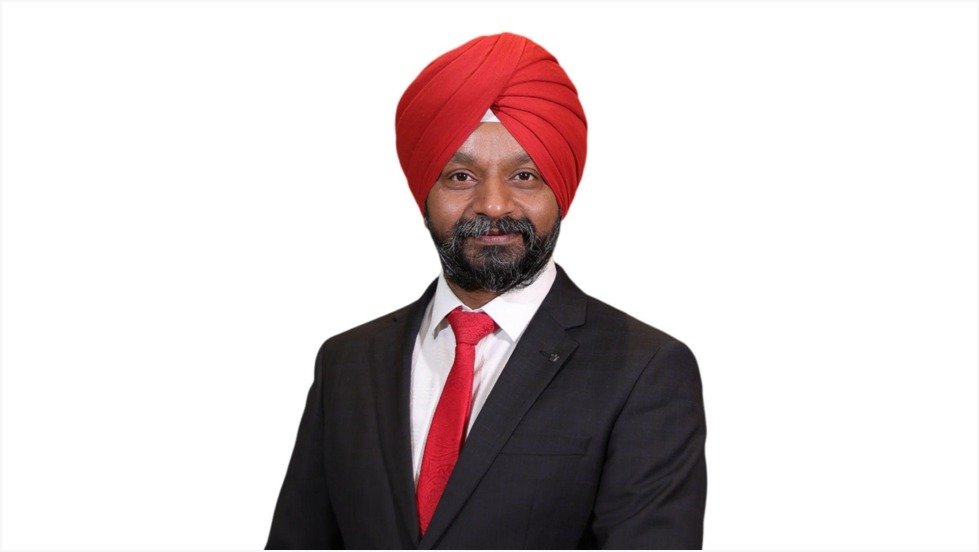
Jagmohan Singh, The Cash Flow Sardar, explains why financial discipline must become a priority for India’s emerging startup founders.
India’s startup ecosystem has created a generation of entrepreneurs who dream of building unicorns, attracting investors and scaling businesses rapidly.
But amid the excitement surrounding valuations, venture capital and million-dollar funding rounds, one fundamental business skill is often overlooked: cash flow management.
For many young entrepreneurs, raising capital has become a milestone of success. Yet funding alone does not guarantee business sustainability.
The real question is not how much money a startup can raise, but how effectively it can manage that money.
India’s Startup Funding Landscape Is Changing
According to Tracxn data reported in September 2026, Indian technology startups raised approximately $10.3 billion during the first nine months of 2026, representing 7% year-on-year growth.
However, the number of funding rounds declined by 38%, while seed-stage funding dropped by 37%.
These figures highlight an increasingly selective investment environment, where capital is becoming concentrated in fewer businesses.
For India’s next generation of entrepreneurs, the message is clear: a compelling business idea is important, but sustainable growth requires financial discipline.
Funding Is Not the Same as Financial Strength
Consider two startups.
The first raises ₹10 crore but spends ₹80 lakh every month, generating insufficient operating cash to sustain itself.
The second raises ₹3 crore, carefully manages expenses, improves customer collections and maintains a significantly lower cash burn rate.
Which business is financially stronger?
The answer depends on its margins, growth prospects, obligations and future cash requirements—not simply the amount raised.
Jagmohan Singh, widely recognised as The Cash Flow Sardar, believes entrepreneurs must understand this distinction before approaching investors.
“Raising ₹10 crore doesn’t make your business financially strong. Knowing exactly where every rupee goes, how much cash your business consumes and when that money will return—that is financial strength. Funding can accelerate growth, but it cannot replace financial discipline.”
— Jagmohan Singh, The Cash Flow Sardar
The Cash Burn Trap Young Founders Must Avoid
One of the biggest challenges in startup financial management is confusing rapid expansion with sustainable growth.
Startups frequently invest in marketing, technology, hiring and customer acquisition before generating sufficient operating cash flow.
These investments may be necessary, particularly during early growth stages.
However, without proper cash flow forecasting, entrepreneurs risk exhausting their available capital before achieving important business milestones.
A startup spending ₹50 lakh monthly with ₹3 crore in unrestricted cash has approximately six months of runway at that burn rate, assuming no additional inflows or changes in spending.
This is why understanding cash burn rate, startup runway and working capital requirements is essential.
A business should know how long its existing cash can support operations and what must improve before additional funding becomes necessary.
Five Financial Numbers Every Startup Founder Should Understand
Before preparing the next investor pitch, entrepreneurs should evaluate five critical financial indicators.
1. Operating Cash Flow: Is the business generating cash from its core operations?
2. Cash Burn Rate: How much cash is the startup consuming every month?
3. Cash Runway: How long can operations continue with available cash?
4. Customer Acquisition Cost: How much does acquiring a paying customer cost?
5. Cash Conversion Cycle: How quickly does money invested in operations return to the business?
Together, these metrics help founders understand whether their business model can support expansion.
They also make financial conversations with investors more meaningful.
India’s Startup Future Needs Financially Intelligent Founders
India’s entrepreneurial ambitions deserve investment, innovation and access to growth capital.
But entrepreneurship cannot depend entirely on repeated fundraising.
Young founders must learn to balance expansion with liquidity, customer acquisition with profitability potential, and ambition with financial planning.
As Jagmohan Singh, The Cash Flow Sardar, explains:
“An investor can fund your next stage of growth, but only financial discipline can help you build a business that survives beyond the next funding round.”
India does not merely need more funded startups.
It needs more financially resilient businesses capable of turning investment into sustainable growth.