


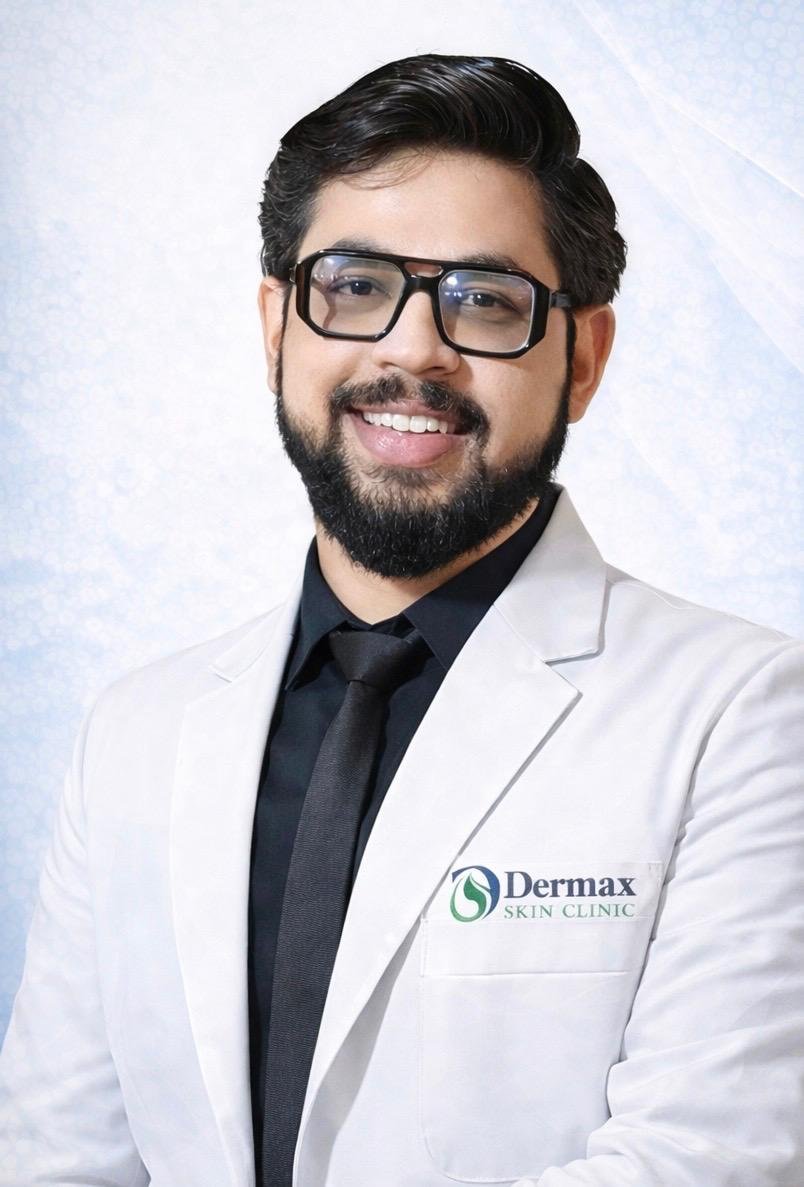
By 2026, the understanding of healthy skin has moved far beyond cosmetic appearance. According to Dr. Suyash Singh Tomar, healthy skin today means skin that is medically balanced, resilient to environmental stress, and treated in a way that prevents long-term damage rather than offering short-term cosmetic relief. With nearly a decade of experience in dermatology and five years of running a dedicated skin clinic in Lucknow, Dr Tomar believes that scientific, ethical, and patient-centric dermatology is the need of the hour.
Across Uttar Pradesh, dermatology clinics are seeing a consistent pattern of concerns. Acne and acne-related pigmentation continue to be among the most common problems, affecting both adolescents and adults. Pigmentation disorders such as melasma, uneven skin tone, and post-inflammatory hyperpigmentation are frequently seen, particularly in Indian skin types that are more prone to darkening after inflammation. Hair fall and patterned hair loss, early signs of ageing, and chronic skin, hair, and nail diseases also form a large part of daily dermatological practice.
Dr Tomar explains that lifestyle changes over the last decade have played a significant role in worsening these conditions. Increased sun exposure, pollution, stress, irregular sleep cycles, unhealthy dietary habits, and excessive screen time all contribute to skin imbalance. Another growing concern is the misuse of over-the-counter creams, especially steroid-based “fairness” combinations, which often lead to steroid-damaged skin, acne flare-ups, redness, and stubborn pigmentation. “One of the biggest myths is that stronger creams give faster results. In reality, they often worsen the problem,” he says.
When it comes to treatment in 2026, dermatology has become far more structured and personalised. Acne management now focuses on early control of inflammation, prevention of scarring and pigmentation, and maintenance therapy rather than repeated short courses of aggressive treatment. Pigmentation disorders are treated using a combination of evidence-based topical agents, oral medications when required, and procedural support such as chemical peels and laser treatments, carefully chosen for Indian skin tones.
Hair loss, Dr Tomar notes, is no longer viewed as a purely cosmetic issue. Modern hair treatment begins with identifying underlying causes such as genetic predisposition, nutritional deficiencies, hormonal imbalance, or stress. Medical therapy remains the foundation, supported by procedures such as PRP and GFC based protocols and hair transplants for advanced stages of baldness.
Aesthetic dermatology has also evolved significantly. Procedures such as botulinum toxin injections, dermal fillers, lasers, and skin rejuvenation treatments are now performed with a strong emphasis on safety and natural results. “The trend has shifted from dramatic changes to subtle enhancements that maintain facial harmony,” Dr Tomar explains. Alongside established procedures, emerging treatments such as exosome-based formulations and stem-cell–derived non-invasive actives are being introduced as supportive therapies, particularly to enhance healing and recovery when combined with standard treatments.
Despite advances in technology, Dr Tomar stresses that lifestyle modification remains the foundation of healthy skin. Regular use of broad-spectrum sunscreen, gentle cleansing, proper moisturisation, adequate sleep, stress management, balanced nutrition, and hydration are essential. Patients are advised to avoid frequent product switching and self-medication, which are common causes of treatment failure. “Even the most advanced procedures cannot compensate for poor daily skin habits,” he adds.
An important part of modern dermatology is also dispelling myths. Many people still believe that skin diseases are purely cosmetic or that treatments must show immediate results to be effective. In reality, most skin conditions require time, consistency, and maintenance. Another common misconception is that procedures are unsafe for Indian skin. “When performed by trained dermatologists using appropriate protocols, procedures are both safe and effective,” Dr Tomar says.
Dr Tomar’s approach to dermatology is deeply rooted in his academic background. He completed his MBBS with a Gold Medal from Government S.S. Medical College, Madhya Pradesh, and later pursued his MD in Dermatology, Venereology and Leprosy (DVL) from Government Medical College, Nagpur. His academic journey includes merit awards, active participation in national dermatology conferences, and continuous engagement with evidence-based medicine, shaping his balanced clinical outlook.
Founded in 2022, Dermax Skin Clinic was established with the vision of providing scientific, ethical, and patient-centric dermatological care in Lucknow. Over the past five years, the clinic has expanded to offer comprehensive services covering medical dermatology for skin, hair, and nail diseases, acne and pigmentation management, aesthetic dermatology, and minor dermatological surgical procedures. The clinic follows personalised treatment protocols and transparent consultations, focusing on long-term outcomes rather than quick cosmetic fixes.
Looking ahead, Dr Tomar believes that dermatology in 2026 represents a careful balance between medical science, emerging technology, and patient education. “Healthy skin is not achieved overnight. It is built through correct diagnosis, appropriate treatment, and consistent care,” he says. With growing awareness and responsible use of modern treatments, he believes patients can achieve healthier skin in a safe and sustainable way.