


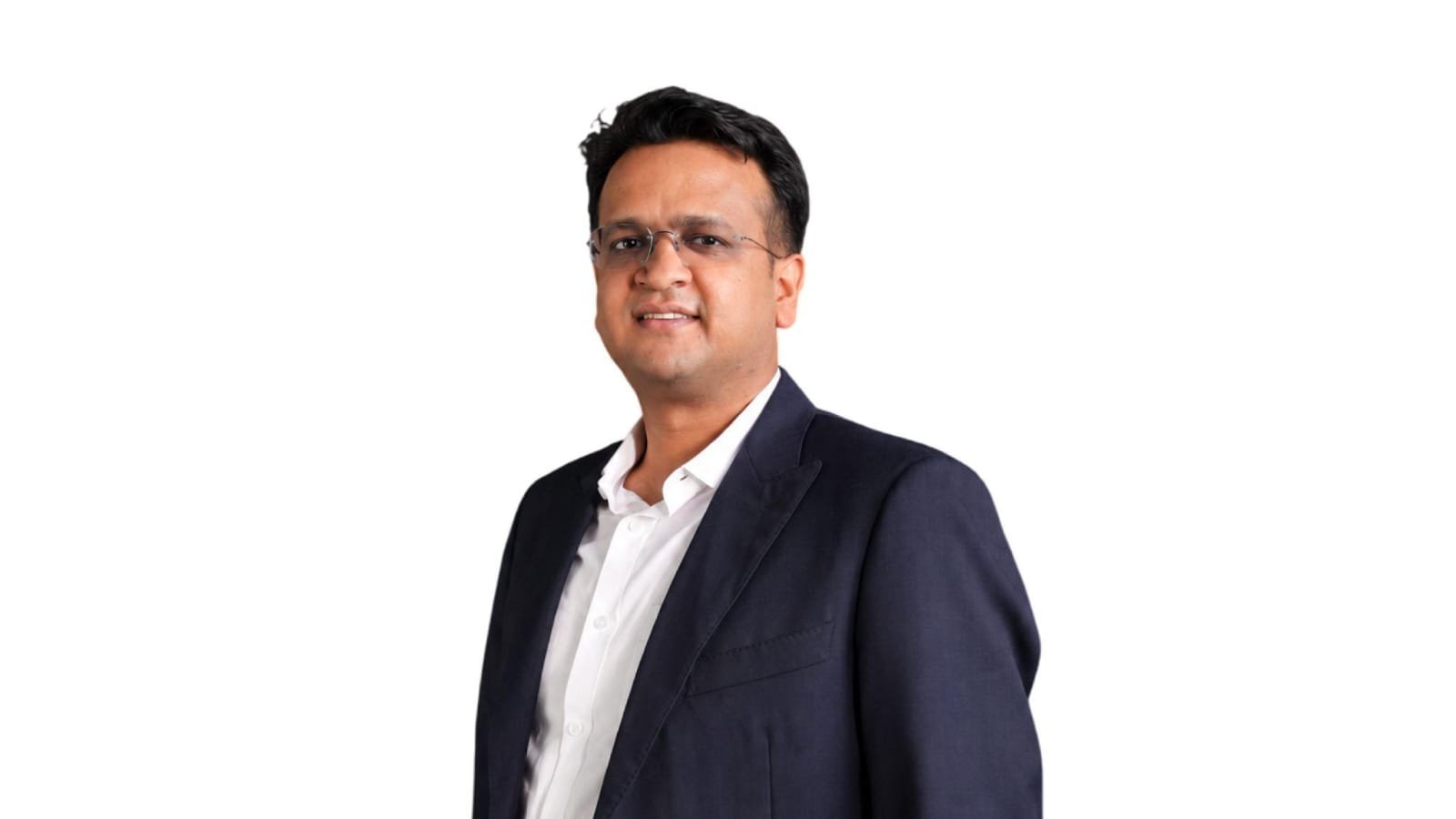
As Jal Jeevan Mission 2.0 accelerates India’s rural water infrastructure development, Chandrakant Kejriwal, Director of Chandranchal Group, draws attention to the importance of reliable pipelines, engineering quality and sustainable water supply systems.
India’s water infrastructure sector has entered a crucial new phase. With the Union Cabinet approving an enhanced ₹8.69 lakh crore outlay for Jal Jeevan Mission 2.0 in March 2026, the country’s ambition to deliver safe drinking water to every rural household has received renewed momentum.
The programme, extended until December 2028, represents more than an infrastructure investment. It signals a shift from creating household tap-water connections to ensuring sustainable and reliable drinking water services.
However, as India expands its water supply networks, one critical question remains: Can the country’s water infrastructure deliver the reliability, durability and performance required for long-term success?
For Chandrakant Kejriwal, Director of Chandranchal Group, the evolving landscape highlights the importance of engineering quality, appropriate material selection and dependable infrastructure components.
Jal Jeevan Mission 2.0: From Water Connections to Reliable Supply
Launched in 2019, Jal Jeevan Mission has significantly expanded rural drinking water access across India.
According to the Ministry of Jal Shakti, approximately 15.89 crore rural households, representing 82.09% of the total, had tap-water connections as of July 18, 2026, compared with around 3.24 crore households at the programme’s launch.
The next challenge extends beyond installation.
Consistent water availability, pressure management, water quality, pipeline maintenance and operational efficiency will determine whether these investments deliver lasting benefits.
The government’s revised approach recognizes this distinction by placing greater emphasis on service delivery, accountability and sustainable water management.
Why Pipes, Valves and Fittings Are Critical to India’s Water Infrastructure
Water supply infrastructure depends on an interconnected network of pipelines, valves, fittings, pumping systems and distribution facilities.
Although these components often remain invisible to consumers, their quality directly influences the performance of entire water distribution networks.
Ductile iron pipes, industrial valves and pipe fittings must be selected according to technical requirements, operating pressure, environmental conditions and project specifications.
Inappropriate material selection or inadequate installation practices can contribute to leakage, service interruptions, premature deterioration and expensive repairs.
As infrastructure projects expand across diverse geographical conditions, compliance with relevant engineering standards and quality assurance practices becomes increasingly important.
Chandrakant Kejriwal’s industry perspective places particular emphasis on treating reliable infrastructure components as fundamental to long-term project performance rather than merely procurement expenses.
The Infrastructure Procurement Challenge India Cannot Ignore
Large-scale water infrastructure development creates complex procurement challenges for contractors, government agencies, engineering consultants and suppliers.
Budget constraints and project deadlines often influence purchasing decisions. However, evaluating components primarily by their initial cost can overlook significant long-term expenses.
Maintenance, replacement, excavation, operational downtime and service disruptions can increase the total cost of infrastructure ownership.
A lifecycle-based procurement approach considers durability, technical compliance, installation requirements and expected operating conditions alongside purchase price.
For India’s growing water infrastructure sector, efficient procurement must therefore balance affordability with engineering reliability.
Digital Monitoring and Community Accountability
Jal Jeevan Mission 2.0 also introduces reforms designed to strengthen infrastructure monitoring and local accountability.
The proposed Sujalam Bharat digital framework will map drinking water systems from source to tap, while Gram Panchayats and Village Water and Sanitation Committees will participate in commissioning and handover processes.
These measures are intended to improve transparency, maintenance readiness and community ownership of water supply infrastructure.
However, digital monitoring cannot replace sound engineering, dependable materials or effective on-ground maintenance.
Sustainable water management requires these elements to function together.
Building Water Infrastructure That Lasts Beyond 2028
India’s ₹8.69 lakh crore water mission presents significant opportunities for infrastructure manufacturers, EPC contractors, engineering suppliers and project developers.
Yet its long-term success will depend on coordinated execution, appropriate material specifications, reliable distribution networks and sustained maintenance.
For Chandrakant Kejriwal, Director of Chandranchal Group, the next phase of Indian water infrastructure development reinforces the need to prioritize engineering reliability alongside construction speed.
The challenge is no longer simply how quickly drinking water connections can be installed.
It is whether India’s water infrastructure can continue delivering safe, dependable water services for generations to come.