


India’s hospitality industry is experiencing sustained demand, rising room rates and continued investment in premium properties. Yet, for hotel owners, a fundamental business question remains: does higher revenue necessarily translate into better returns?
The distinction is becoming increasingly important as operating expenses, staffing requirements, maintenance, distribution commissions and other costs influence how much revenue a hotel ultimately retains. Growth may look impressive on paper, but the real measure of performance lies in how effectively a property converts that growth into profitability.
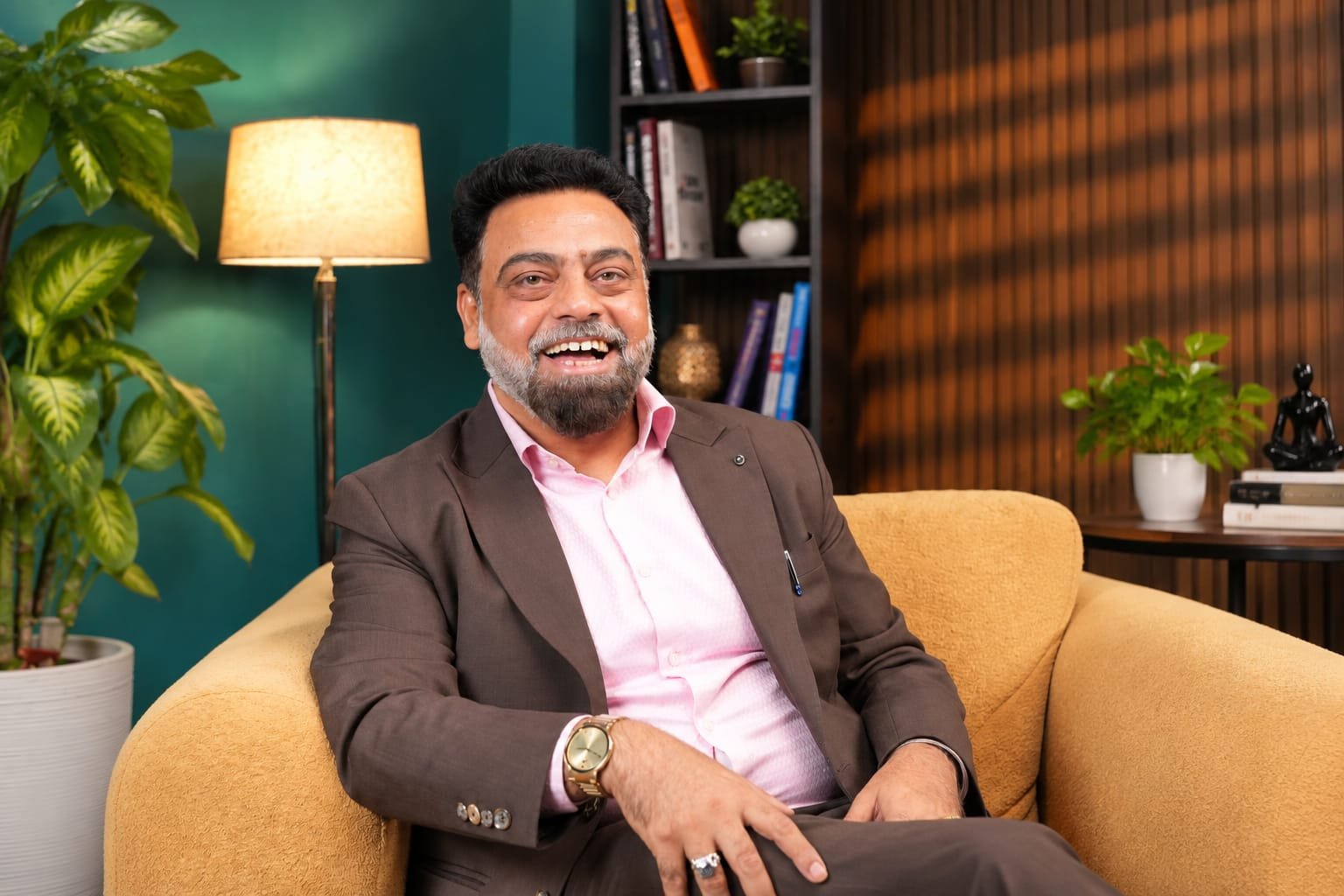
For hospitality expert Rakesh Sachdeva, this is precisely where hotel owners need to look beyond conventional performance indicators and examine what is happening beneath the surface.
Revenue Growth Is Only Half the Story
According to an August 2026 outlook from rating agency ICRA, India’s hospitality industry is projected to record revenue growth of 7–9% in FY2027, following an estimated 11% expansion in FY2026. Premium hotel occupancy is expected to remain at 72–74%, while average room rates are projected to increase.
However, ICRA also expects operating margins among the hotel companies in its sample to moderate from approximately 37% in FY2026 to 34–36% in FY2027. The outlook highlights why revenue growth and profitability must be evaluated separately.
For individual hotel owners, the implications are practical. Higher room rates and stronger occupancy can improve topline performance, but they do not automatically establish whether costs are being controlled, resources are being used efficiently or the property is generating its desired returns.
A hotel can appear busy while underlying inefficiencies continue to affect its financial performance.
The Hidden Gaps Between Operations and Profitability
Hotel profitability depends on several interconnected functions. Staffing efficiency, energy consumption, procurement, maintenance planning, booking channel costs and coordination between departments can all influence operating performance.
These factors cannot be assessed in isolation. Reducing expenditure indiscriminately, for example, may weaken service quality and damage the guest experience. Similarly, pursuing higher occupancy without considering pricing and operating costs may not produce the desired financial outcome.
Rakesh Sachdeva’s approach centres on identifying the gaps between operational effort and actual business results. Rather than assuming that visible problems reveal the complete picture, his philosophy emphasises understanding why a hotel is performing the way it is and where improvement opportunities remain overlooked.
This requires hotel owners to examine not just what their teams are doing, but whether those activities are contributing to measurable outcomes.
Why Hotel Owners Need a Broader Performance Framework
A more comprehensive approach to hotel performance brings together financial indicators, operational effectiveness and guest experience.
Owners need visibility into revenue quality, operating expenses, departmental productivity, guest feedback and repeat business. These indicators help establish whether growth is sustainable rather than simply temporary.
Equally important is understanding the relationship between departments. Inconsistent service may originate in staffing or communication gaps, while disappointing financial results may reflect decisions that appear reasonable when examined individually but create inefficiencies across the property.
For premium hotels, where guest expectations and service standards are particularly important, the challenge is to improve financial performance without compromising the experience that supports the property’s reputation.
The objective is not merely to reduce costs. It is to ensure that resources, people and processes work together more effectively.
From Running Hotels to Building Stronger Assets
Rakesh Sachdeva believes hotel owners must move beyond viewing occupancy and revenue as the final measures of success. The larger objective is to build properties that perform consistently, maintain service standards and convert operational capability into sustainable business outcomes.
[Founder quote for approval: “Revenue tells a hotel owner how much business the property is generating. Performance tells them how effectively that business is being converted into returns. The difference between the two is where owners need to look more closely.”]
As India’s hospitality sector continues to expand, owners will need to pay greater attention to the quality of growth, not just its pace. Better visibility into costs, stronger operational alignment and a clearer understanding of performance gaps can help hotels make more informed decisions.
For Rakesh Sachdeva, the next stage of hospitality excellence lies in recognising that running a successful hotel and maximising its potential are two different challenges. Addressing that distinction is essential for owners seeking stronger, more consistent long-term performance.