


The way Indians live with pets is changing. A cat is no longer simply an animal that shares a home with a family. Increasingly, cats are being treated as companions, emotional anchors, and genuine members of the household.
This shift is part of a broader phenomenon known as the humanization of pets, where pet parents increasingly consider the physical, emotional, and lifestyle needs of their animals when making everyday decisions.
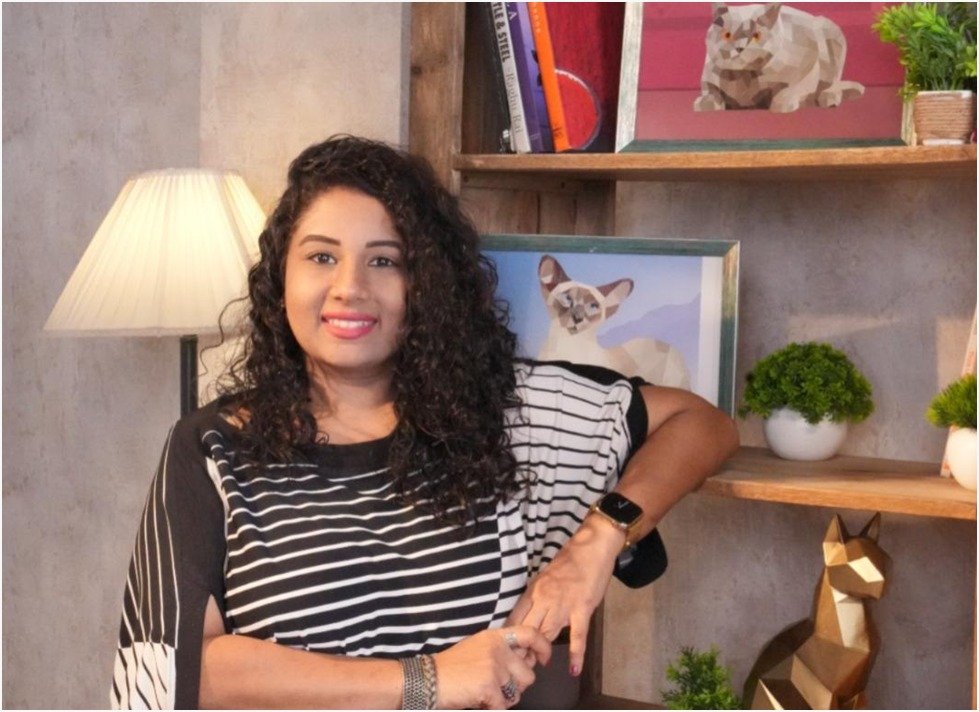
For Isha, popularly known as “The Cat Lady of India,” this transformation is particularly visible in the growing community of cat parents across urban India.
“People are beginning to understand that having a cat is not just about providing food and shelter. It is about understanding their personality, respecting their boundaries, supporting their health, and creating an environment where they can actually thrive,” says Isha.
The change can be seen in the way modern cat parents approach feline care. Nutrition is no longer limited to simply filling a food bowl. More families are researching ingredients, understanding nutritional requirements, consulting veterinarians, and paying closer attention to the quality of food they provide.
Healthcare is also becoming more proactive. Vaccinations, preventive veterinary visits, parasite control, dental care, and early attention to behavioral changes are increasingly becoming part of responsible cat parenting.
The same evolution is visible inside the home. Cat parents are creating dedicated spaces for play, climbing, scratching, hiding, and resting. Cat trees, interactive toys, enrichment activities, comfortable sleeping spaces, and secure windows are becoming part of modern homes as people begin designing environments around feline needs.
This represents a significant departure from the traditional idea that cats are independent animals that require little involvement.
According to Isha, independence should never be confused with low maintenance.
“Cats may not constantly demand attention, but they communicate in subtle ways. Understanding their body language, routines, preferences, and stress signals is an important part of responsible cat parenting.”
The humanization of pets is also changing the pet care industry itself. As cats become more integrated into family life, demand is increasing for specialized products and services that address their specific needs. Cat-exclusive boarding, premium nutrition, veterinary care, behavioral guidance, enrichment products, and feline-focused education are becoming increasingly relevant to modern pet parents.
This shift is particularly important in urban India, where changing lifestyles are influencing how people experience companionship. Smaller households, demanding work schedules, independent living, and increased awareness around emotional well-being are all contributing to a deeper relationship between people and their pets.
But treating cats like family does not mean treating them like humans.
This distinction is critical.
Responsible humanization means understanding an animal’s needs rather than projecting human expectations onto it. A cat may enjoy affection but still need personal space. It may live indoors but require opportunities to climb, explore, scratch, and play. It may form a deep bond with its family while communicating that bond very differently from a human or even a dog.
For Isha, understanding this difference is at the heart of better feline care.
“Love is important, but love alone is not enough. The real responsibility is learning who your cat is and giving them the kind of care that suits their nature.”
As the relationship between Indians and their pets continues to evolve, the definition of pet parenting is evolving with it. Cats are increasingly being included in family decisions, household routines, travel plans, healthcare choices, and lifestyle considerations.
The result is a more conscious form of companionship, where the goal is not simply to have a pet, but to understand and care for another living being responsibly.
The humanization of pets is therefore more than a consumer trend. It reflects a deeper cultural change in how Indians understand companionship, responsibility, and family.
And as more cats become part of Indian households, the future of feline care may depend on one simple shift in mindset: stop asking what cats can adapt to, and start asking what they need to thrive.